Riesling

When the ladybird came for Riesling

With the "wedding of the century" taking place this week, London is invaded by all sorts of visitors. Some have spent a fortune on looking good on tv, others will have spent their money on getting here to watch them. That much I expected, and also that I would encounter more than the odd random stranger in town - but not that one of them would come into my house uninvited. Luckily, my guest needs no money to look good, does not behave disorderly after a few drinks and is perfectly capable of enjoying a glass of Riesling in silence.
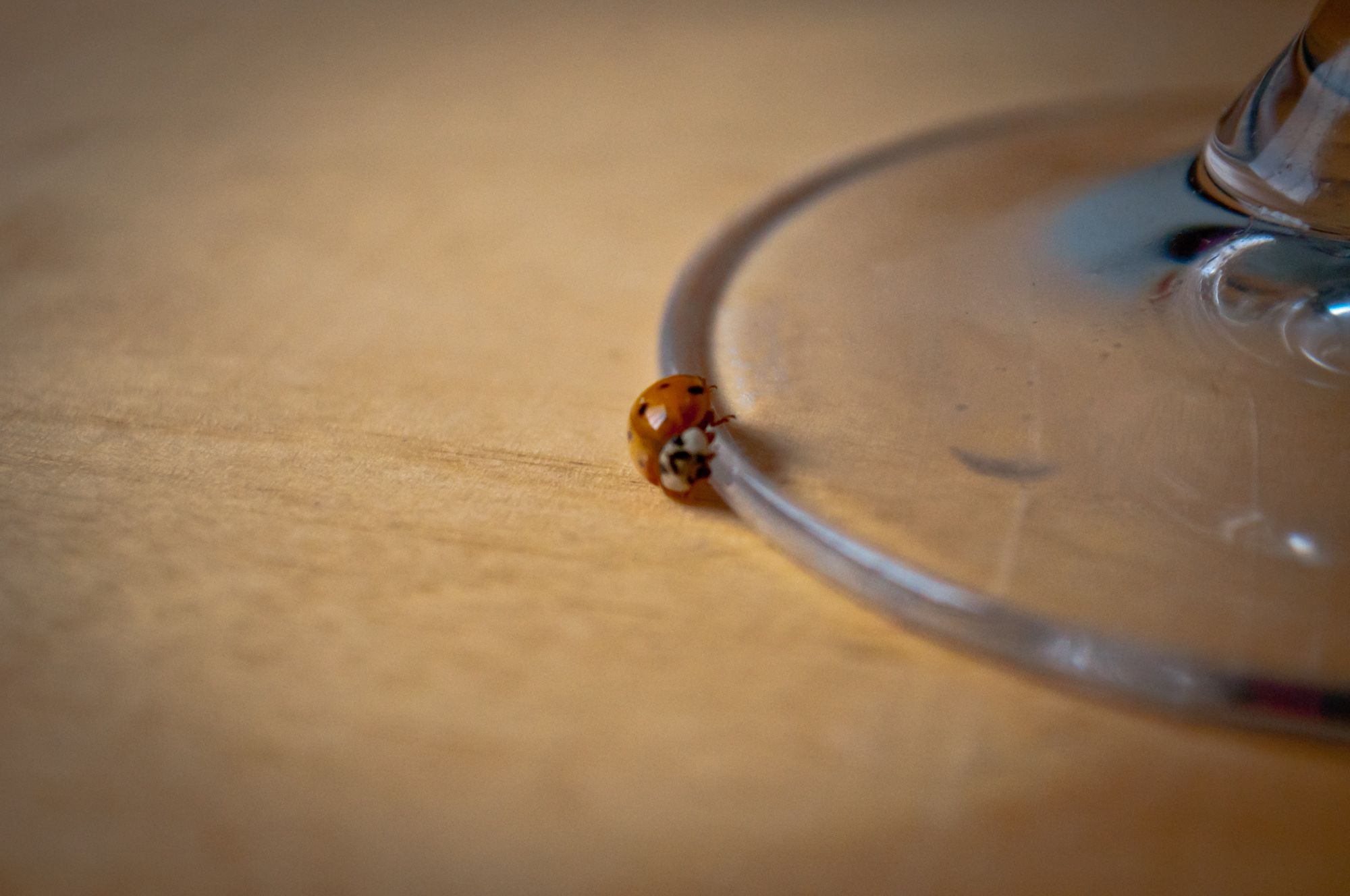
So it was not quite the tiger who came for tea, but still a colourful guest - the ladybird who came for Riesling.

Dönnhoff, Riesling, 2009

After recently exploring his 09 Pinot Gris, it is now time to taste Helmut Dönnhoff's 2009 Riesling. Dönnhoff is the uncrowned winemaking king of the Nahe region and one of the (more or less crowned) archdukes of German Riesling, so I was very curious to see how his entry-level Riesling would do.

After it had been sitting in my famous wardrobe for a while, the Dönnhoff's time had come when I set out to visit one of London's secret supper clubs.

"This Riesling is as dry as the Germans" - Twitter wisdom on Riesling

Wine journalists, bloggers, trade people - sure they all love Riesling. But real people? What do they think about the world's most exciting white grape variety? You may think you know, but you have no idea. Over the past few months, a Wine Rambler covert investigation team infiltrated Twitter to uncover shocking evidence. This, ladies and gentlemen, is what people really think about Riesling.

Men in the know

riesling = skim milk, sauvignon blanc = whole milk, chardonnay = heavy cream

I can't stand sweet wines! Riesling, Sauvignon Blanc, etc. nor the people that drink it! YUCK! Learn your wines people!!!!

Germany only have pinot noir and riesling. Don't ask me why.

Trollinger-Lemberger-Riesling hangovers are the worst.

careful! Riesling is like a woman= sweet but can give you a #headache if you have too much in one day!

Sona, St. Martiner Baron, Riesling Kabinett feinherb, 2009

Sometimes you have no idea what you are looking at. The other day I pulled a bottle out of a newly arrived cask of wine that I hadn't actually ordered - nor had I heard of the winery before! Turns out that the wine merchant had sneakily squeezed it into the box as a thank you for a good customer. Herr Behringer also asked me for my opinion.

Following the recent debate on neutrality of wine bloggers I should probably add that this is the first wine we have received from Behringer without paying, that he did not ask us for a review and that the wine is not in his portfolio (I wonder if he plans to change that though). Anyway, Mr Behringer, here goes.

Jos. Christoffel Jr., Ürziger Würzgarten, Riesling Spätlese, 1993

The Mosel, Germany's best known wine region, hosts many styles of Riesling winemaking: There are the modernists, there are the traditionalists, there are the ultra-traditionalist. And then, there is Jos. Christoffel Jun. The winery's website nicely underscores their brand of conservatism, in that there isn't one. If you want to get your hands on any of the older vintages (back into the 80s, rumour has it) they still have on offer, get your ass down to the Mosel. Or else get lucky on eBay, like your undeservedly fortunate correspondent. For about 12 €, shipment included, I got this Spätlese from the year Frank Zappa died.

Heymann-Löwenstein, Röttgen, Riesling, 2008

Reinhard Löwenstein is a well known and, at least for some, controversial German wine figure. A communist in his youth, he is among the few writing winemakers (and not afraid to quote Marx) and also a vocal proponent of the idea of terroir in Germany. On his steep Mosel vineyards he almost exclusively grows Riesling, often substantial wines that need time to develop their potential.

I mention this because when the other day I wanted to introduce a friend to Löwenstein Riesling I only had a 2008 to hand and was a little concerned about opening the wine so early.

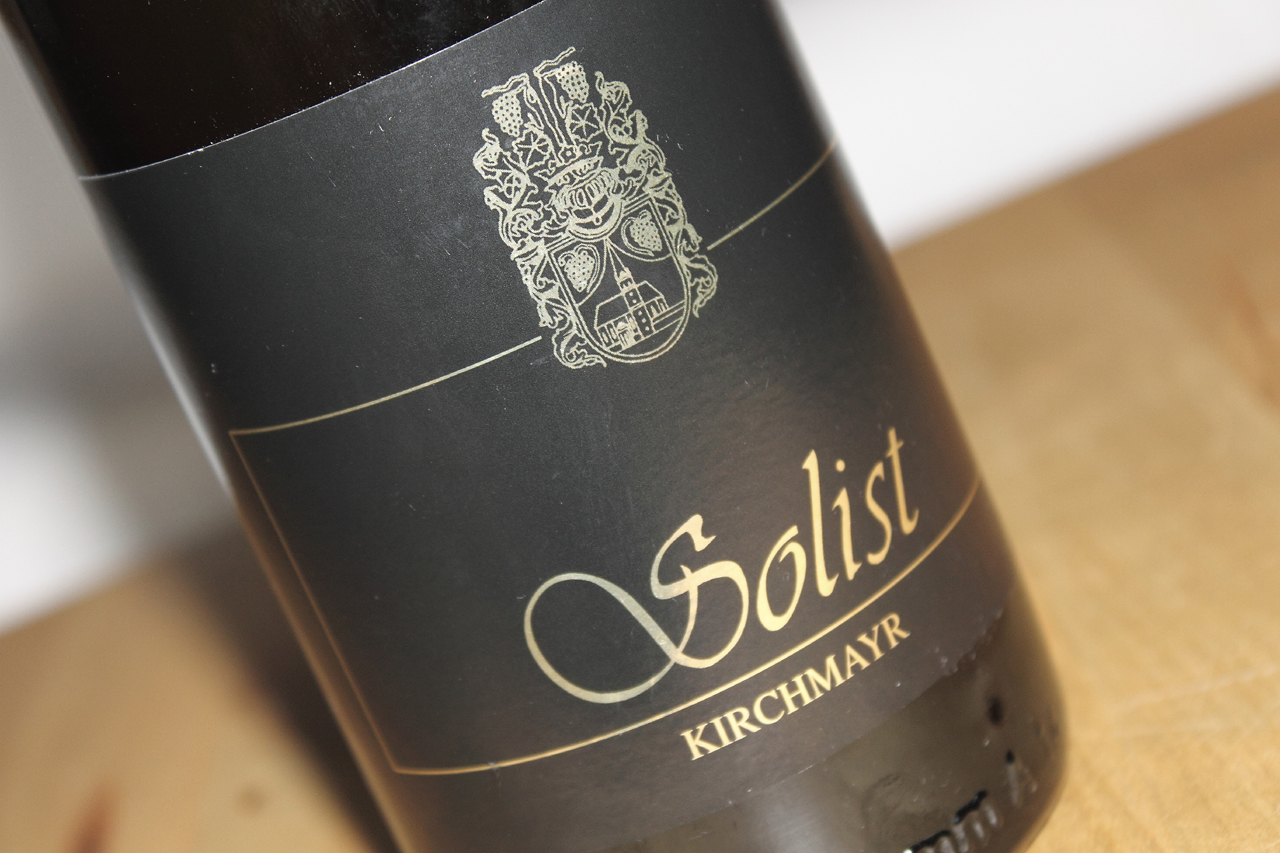
Kirchmayr, Riesling, 'Solist', 1992

Last autumn I drank my first Kirchmayr wine. It was a 16 year old Grüner Veltliner, and I was very impressed. Beautiful bottle design, marvellous bouquet and a wine that was focussed, sharp and sophisticated - yet not aged, not even old. It was pure joy. Kirchmayr have a whole range of wines - "Solist" - specifically made to age well and only to be released to market after years of maturing. So I had to get a bottle of Riesling to find out if it would be as good as the Grüner.

When I reviewed the Grüner, I took an excessive amount of photos of the bottle (same beautiful design for both varietals), so please take a look at that post, also for some background on the winery. But now to the Riesling.

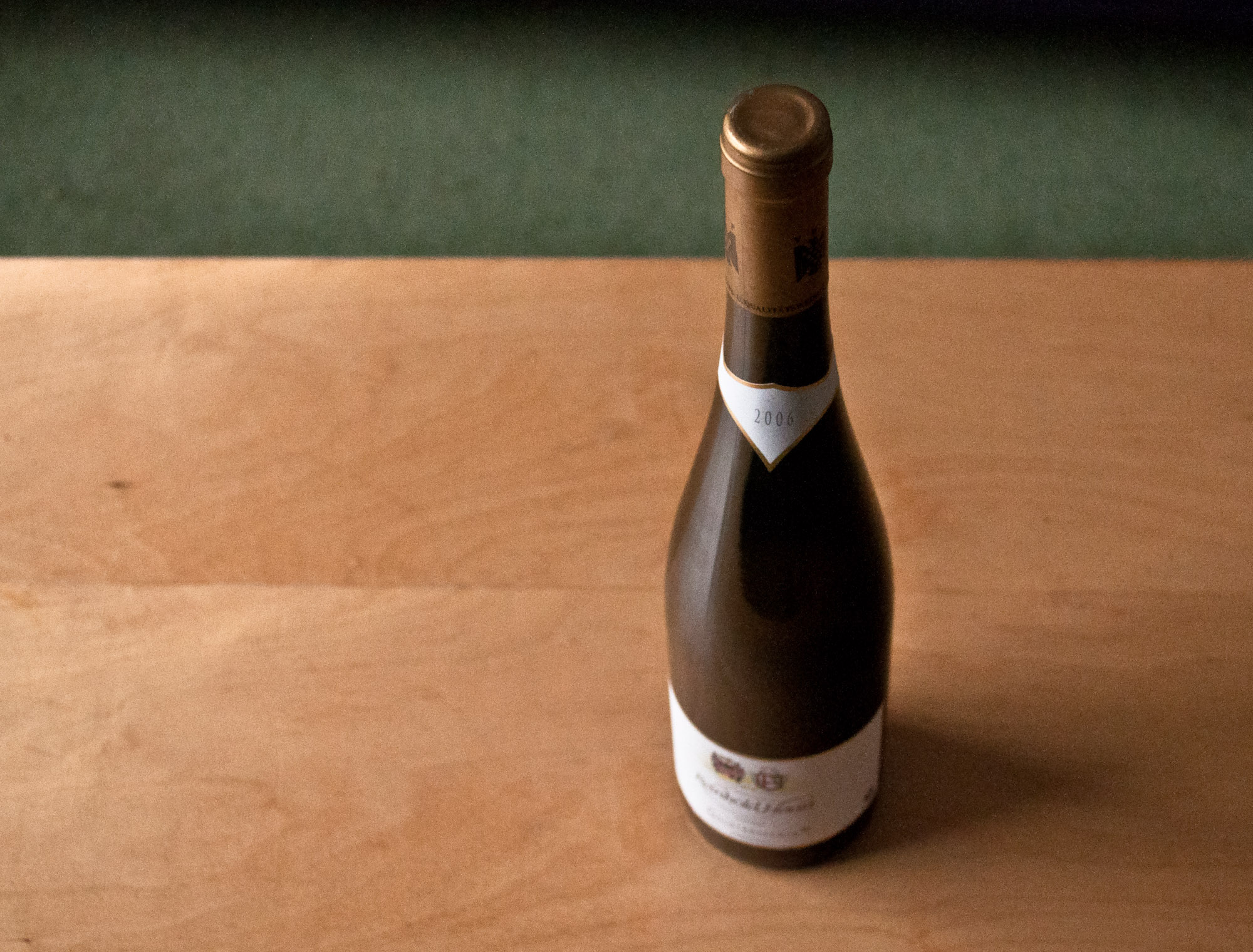
Reinhold Haart, Piesporter Goldtröpfchen, Riesling Spätlese Goldkapsel, 2006

Piesport is a lovely village in the German Mosel Valley. Because of the peculiarities of the German wine law, the name can show up on the labels of very cheap wines from somewhere in the area (Piesporter Michelsberg), or it can be on first class Riesling from some of the Mosel's best vineyards. After having recently indulged myself in the delights of the supermarket wine version, it is now time to revisit the outstanding Goldtröpfchen vineyard version.

"Goldtröpfchen" means little drop of gold, and the Rieslings made by Theo Haart and family in Piesport can indeed be described as such. Today's Haart Riesling even comes with a gold capsule ("Goldkapsel"), indicating that the Haarts were particularly pleased with the quality of what went into this bottle.

Piesporter Michelsberg

Piesport is the name of a wine growing village in Germany. On steep hills along the Mosel, some of Germany's best Riesling is grown. "Piesporter Michelsberg", however, only indicates that the wine comes from grapes grown somewhere in the area. It is a designation no quality producer with a good vineyard there would use, so when you find it on a label you are most likely looking at a mass-produced wine that will probably not even contain grapes grown in Piesport itself.

I bought my Michelsberg for £3.99 from Sainsburys as part of a blind tasting experiment in cheap German wine. How did it fair?

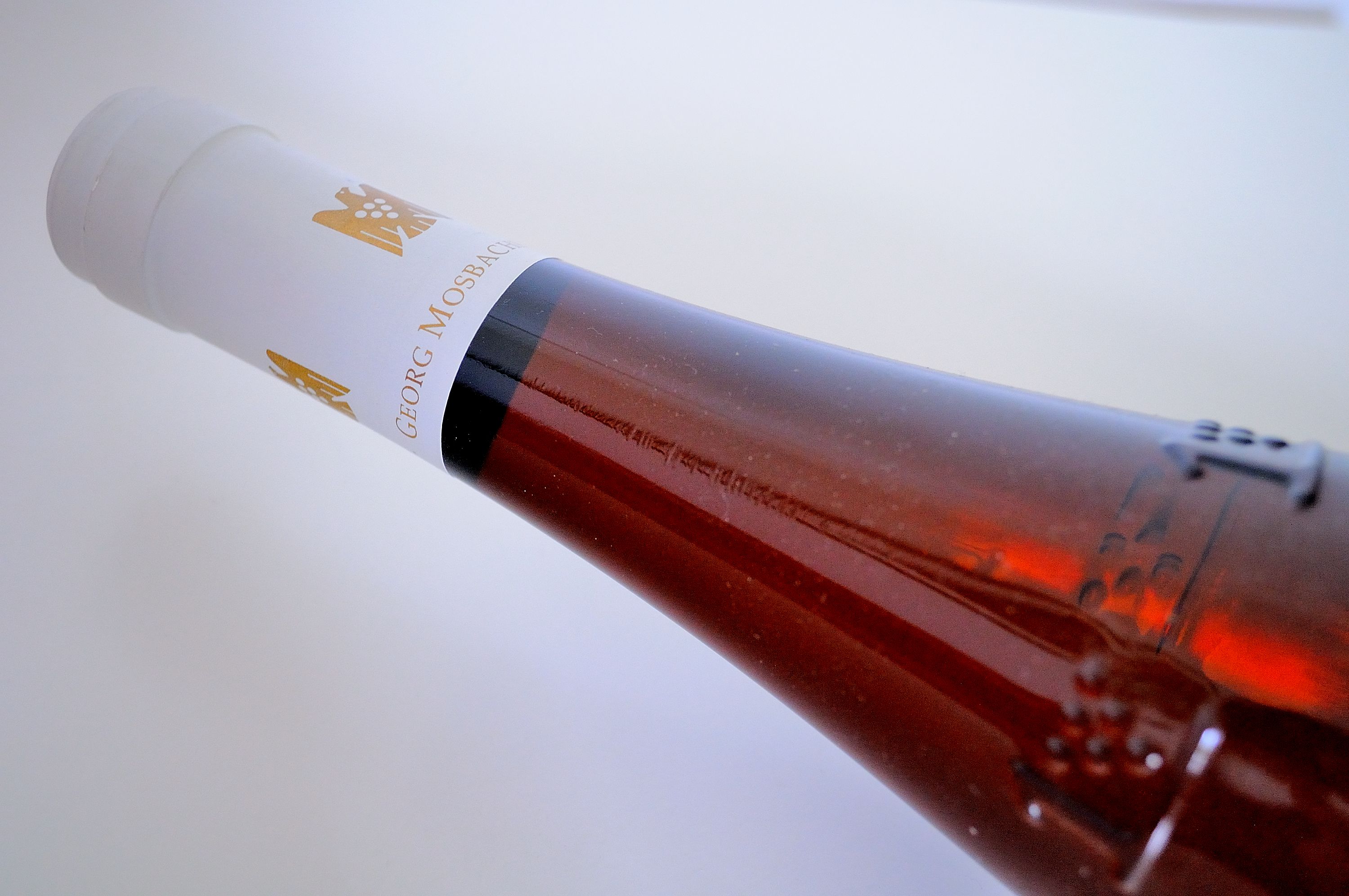
Georg Mosbacher, Ungeheuer, Riesling GG, 2007

"This monstrosity tastes monstrously good." - This is what Imperial Chancellor Otto von Bismarck had to say about a wine from the Ungeheuer vineyard. "Ungeheuer" is the German word for "monstrosity", and it is also the name of a famous vineyard in the Pfalz region. It is about time for us to review an Ungeheuer wine, and today we are looking at the premier dry (GG) Riesling from Mosbacher - one of the top Pfalz wineries.

"Premier", "top", "monstrously good" - can the wine stand up to all this praise or were the Wine Rambler and good old Bismarck (posthumously) left disappointed?