white

White wines reviewed by the Wine Rambler:

Piesporter Michelsberg

Piesport is the name of a wine growing village in Germany. On steep hills along the Mosel, some of Germany's best Riesling is grown. "Piesporter Michelsberg", however, only indicates that the wine comes from grapes grown somewhere in the area. It is a designation no quality producer with a good vineyard there would use, so when you find it on a label you are most likely looking at a mass-produced wine that will probably not even contain grapes grown in Piesport itself.

I bought my Michelsberg for £3.99 from Sainsburys as part of a blind tasting experiment in cheap German wine. How did it fair?
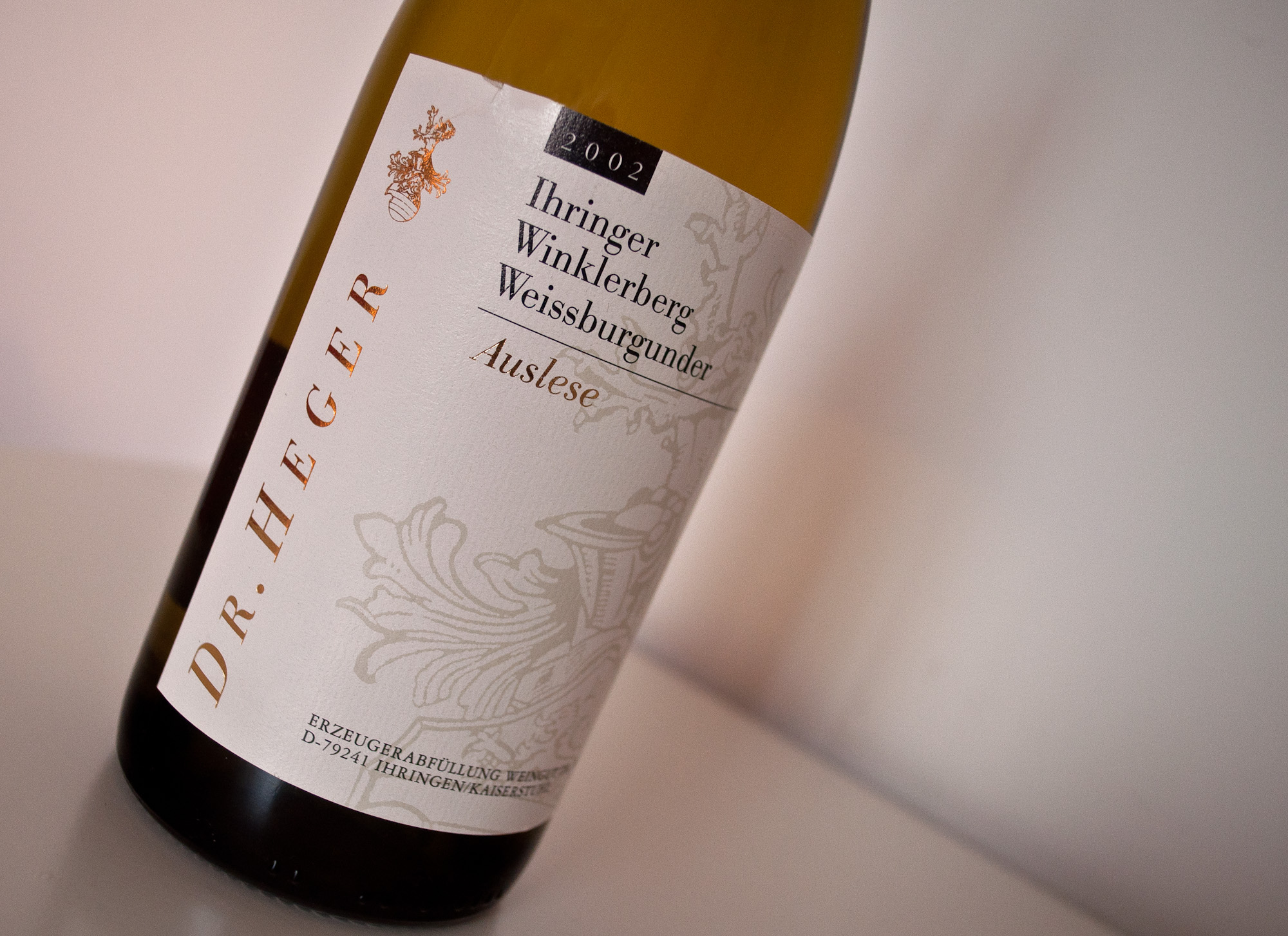
Dr. Heger, Weißburgunder Auslese trocken, Ihringer Winklerberg, 2002

As far as aged wines go, eight years may not seem seriously old, but Pinot Blanc, especially from Germany, tends to be drunk as a younger wine, light and fresh in style. Having said that, some German wineries also produce more substantial Weißburgunder (German for Pinot Blanc), matured in oak barrels, that can and should age a few years. Dr. Heger is one of those wineries, located in the Kaiserstuhl, the warmest wine growing area in Germany with fantastic volcanic soil.

The dry Auslese from the Winklerberg vineyard is one of those more substantial Pinot Blancs. The colour shows the wine's age, an intense honey coloured gold that promises substance and maturity.

F. W. Langguth Erben Kabinett, 2009

Looking back over the wines I have enjoyed over the past few months it was an impressive range of delightfulness and excellent quality. Despite having spent quite a bit on wine I think it was worth every penny, but I was also reminded not to forget to explore what is available on the cheaper end of the market. So during a recent visit to Sainsburys I grabbed a random bottle of relatively inexpensive German wine to set my experiences in perspective.

Mind you, there are people out there for whom £4.99 for a bottle of wine is anything but cheap. However, if you consider that around half of the price goes to the government (tax, excise duty etc.) and quite a bit to the retailer (and that does not even take into account the cost of shipping etc.) then you realise that such a wine has to be produced very cheaply indeed to be commercially viable. Too cheaply?

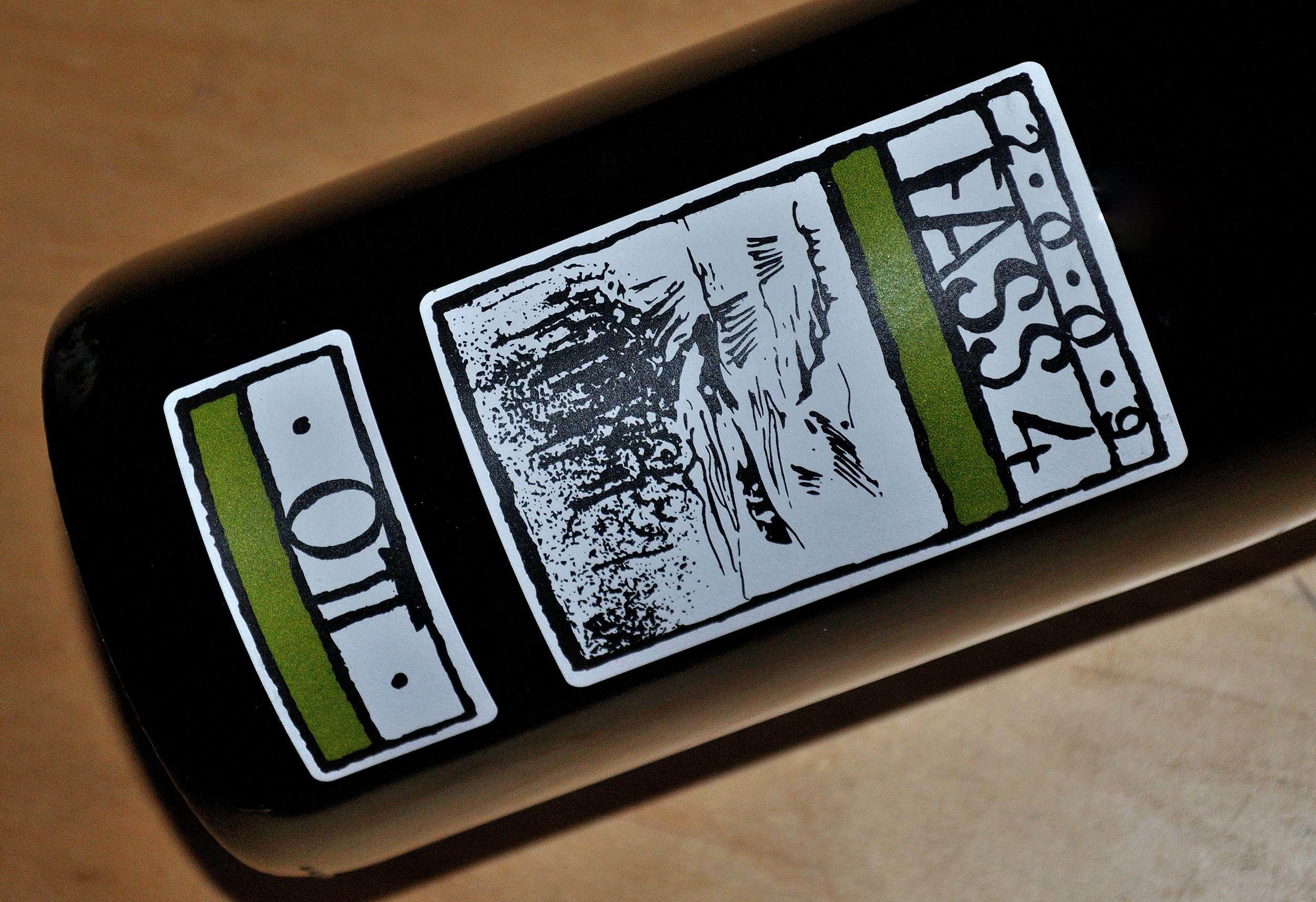
Bernhard Ott, Grüner Veltliner, Fass 4, 2009

This wine is fake. Well, a little. If you understand German, that is - otherwise you wouldn't know that "Fass 4" stands for "Barrel 4". Years ago, wines sold under this label were indeed matured in large wooden barrels, but these times are gone at the Ott winery, and now it is all steel tanks for "Barrel 4".

And out of the tanks at Wagram comes a Grüner Veltliner, Austria's signature white wine, and Bernhard Ott's speciality. Does the wine also taste "fake" - or let's rather call it "historical homage"?

Weingut Seehof, Westhofener Morstein, Scheurebe Beerenauslese Goldkapsel, 2007

In the early 20th century the Germans embarked on a mission to create a genetically modified race of - no, not über-soldiers, but grape varieties. They were also not so much genetically modified as traditionally cross-bred, but the idea was to create varieties that could handle bad weather better, were robuster or addressed some other actual or perceived flaws in existing varieties. Scheurebe ("Scheu's vine") was created in 1916 and was for a long time thought to be a cross between Silvaner and Riesling, but has only recently been revealed to be a cross between Riesling and a wild vine.

Aromatic and with some similarities to Riesling, Scheurebe is often used to create complex sweet wines, and - while not exactly grown on large scale - is increasingly popular with some of Germany's top winemakers.

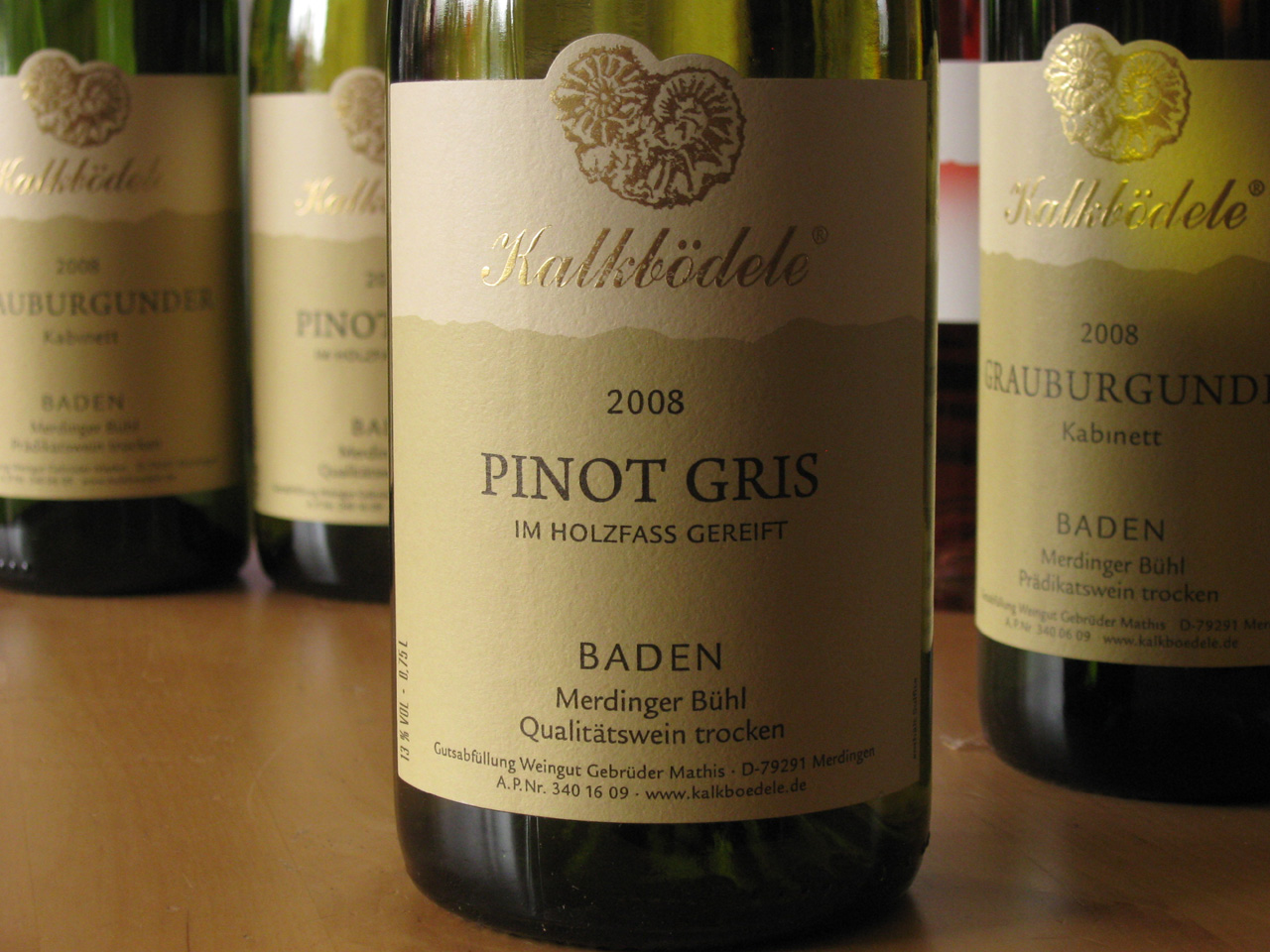
Kalkbödele, Merdinger Bühl, Pinot Gris, 2008

Straw-coloured, with a nose of ripe pears, candied fruit and beeswax, this wine is dominated by the tension between the oak flavours on the one hand and the very robust acidity on the other.

The focus of the fruit seems to get lost a bit between the two, resulting in a somewhat muddied palate and a slightly awkward kind of complexity. Still, a very decent and somewhat original white.

Julian Sunday, 20/02/2011
Kalkbödele, Merdinger Bühl, Grauburgunder Kabinett trocken, 2008

A wine with prominent acidity that is worked straightforwardly into a light, simply, but well structured wine. Here, green apple and unripe melon rule the day, with clear, if not endlessly deep fruit on the palate. In its acidity-driven straightforwardness, this is reminiscent of a good Pfalz Riesling, without quite managing the minerality part. I prefer this latter version at this moment in time, because it seemed more refreshing and drinkable to me and for the completely subjective reason that it works wonderfully with a supermarket food favourite of mine, Flammkuchen.

Covered, with more background information, in our posting on Baden's Tuniberg and wider trends in german wine.

Julian Sunday, 20/02/2011

Georg Mosbacher, Ungeheuer, Riesling GG, 2007

"This monstrosity tastes monstrously good." - This is what Imperial Chancellor Otto von Bismarck had to say about a wine from the Ungeheuer vineyard. "Ungeheuer" is the German word for "monstrosity", and it is also the name of a famous vineyard in the Pfalz region. It is about time for us to review an Ungeheuer wine, and today we are looking at the premier dry (GG) Riesling from Mosbacher - one of the top Pfalz wineries.

"Premier", "top", "monstrously good" - can the wine stand up to all this praise or were the Wine Rambler and good old Bismarck (posthumously) left disappointed?

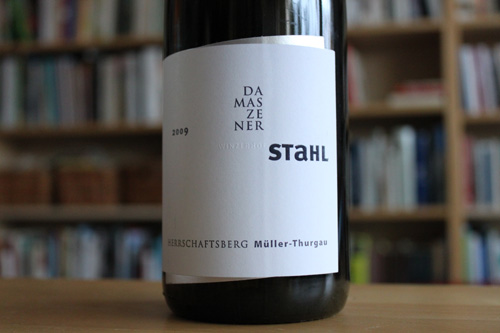
Winzerhof Stahl, Müller-Thurgau Herrschaftsberg "Damaszenerstahl", 2009

What the **** is Müller-Thurgau, and is it ever any good, we asked, respectfully, last summer in our in-depth Müller-Thurgau coverage. We did manage to answer the question to our own satisfaction at the time, if maybe not to everybody's, and a young winemaker named Christian Stahl played no small part in that particular journey. Neither the grape nor the man therefore need much of an introduction to our readers.

Müller-Thurgau in front of <em>Bildungsbürgertum</em> background

But there is some unfinished business dating back to that investigation in the form of this bottle of single vineyard Müller-Thurgau. So let's waste no more time:

Knipser, Gelber Orleans Auslese, 2003

You haven't heard of Gelber Orleans? Not even a vague idea what it might be? Despair not, it is hardly a well known grape variety. In fact, it has become so obscure - even in Germany - that when I recently invited a well versed wine blogger over to try it I was confident she would not be able to identify it.

a mystery wine

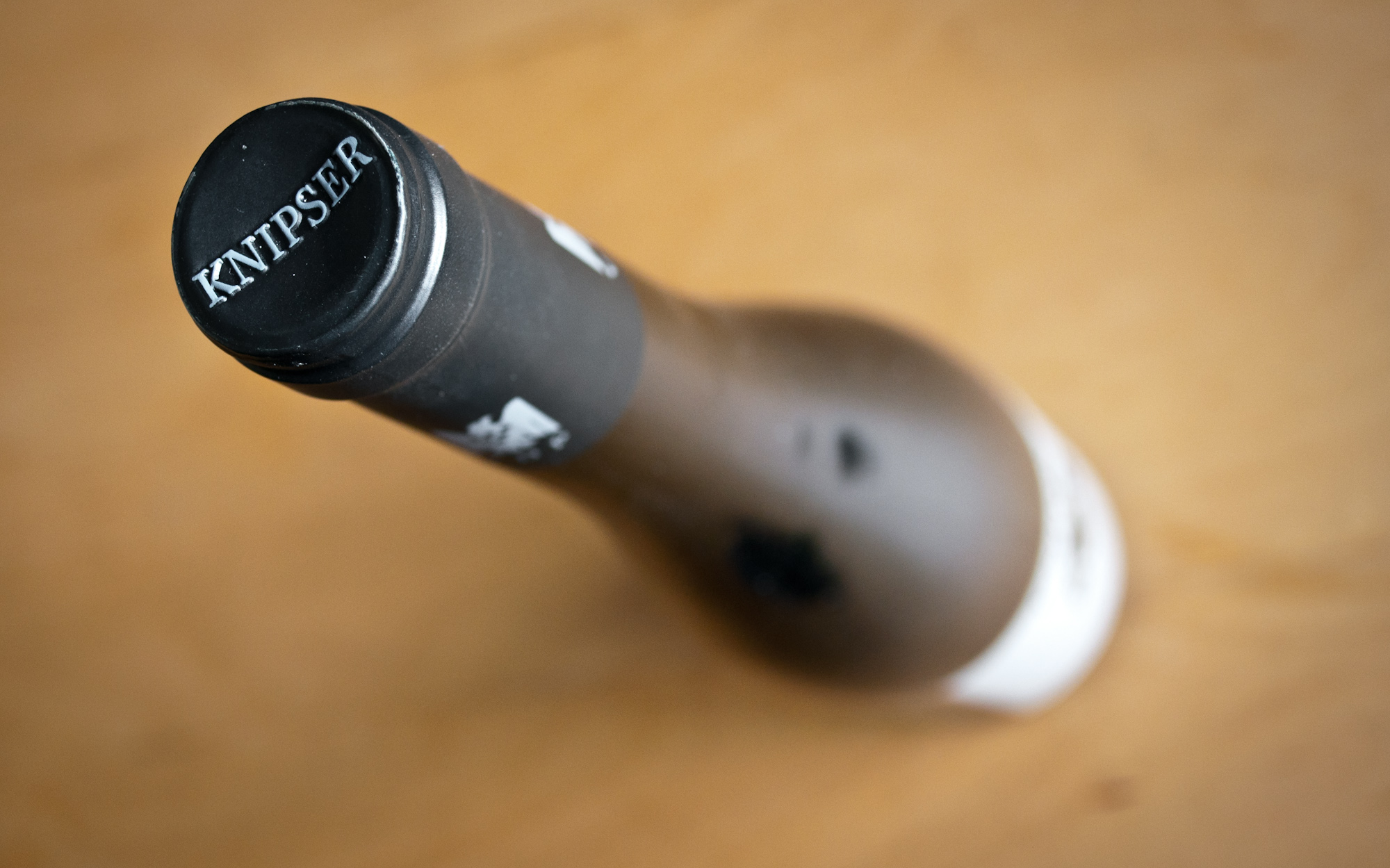
When serving the wine I made sure that the only thing she might have caught a glimpse on was the name and logo of the winery - identifying the producer as Knipser, one of the most accomplished in Germany. So, gentle reader, explore a wine with us which you will most certainly not have experienced before.