white

White wines reviewed by the Wine Rambler:

Larmandier-Bernier, Premier Cru Tradition, Extra brut

By covering a selection of sparkling wines from Germany and England during the last year or so, we have learned much and have opened up a whole new category of wine for ourselves, but in a way, we also got ahead of ourselves. We could look at sparklers with a fresh and innocent eye by simply ignoring the international benchmark for this whole type of wine, but it was at times also so much dancing around the elephant in the room, namely our utter ignorance of Champagne. On new year's eve of 2010, the Munich branch of the wine rambler manned (and ladied) up and confronted their insecurity. After all, let's face it, when expectation and curiosity are high, the potential for disappointment is also immense. But sometimes, just sometimes, you hit if off immediately. That night, I fell for grower champagne hook, line and sinker, and it's all thanks to Pierre and Sophie Larmandier from Vertus, Champagne.
Reinhold Haart, Piesporter Goldtröpfchen, Riesling Spätlese, 2009

Over the past few years I have reviewed quite a few Haart Rieslings, and for this reason I had considered scaling down for a while (with the writing, not the drinking of course) in order not to bore you. It's good I did not make it into a New Year's resolution though, as the latest Haart I opened was so stunning I honestly cannot remember having had a young Mosel late harvest Riesling of this quality.

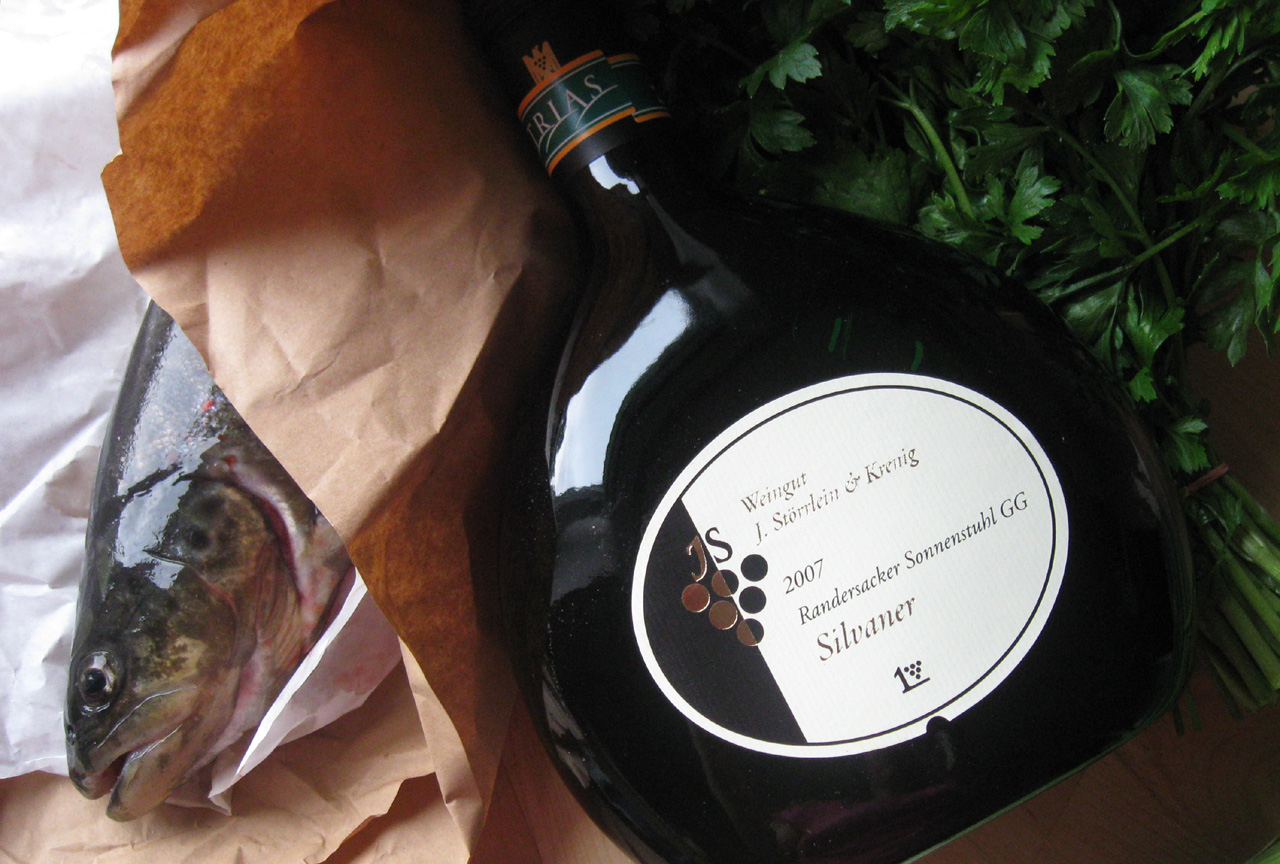
Störrlein, Randersacker Sonnenstuhl, Silvaner trocken Großes Gewächs, 2007

Silvaner again? Yes, we're keeping up our coverage. In fact, we mean to grind down any resistance against Germany's second great white grape with the sheer relentlessness of our Silvaner campaign. Great growth Silvaners from lesser known wineries in Franken are arguably some of the best value anywhere in white wine, and we won't stop until every major wine outlet in the english-speaking world carries at least one. Are we not confusing our own partial predilection with an educational mission, you ask, or else: What's in it for me? The two-word answer to this: Food friendliness.

Franconian still life with Silvaner

Following up on this month's risotto suggestion, another classic Silvaner pairing is freshwater fish. Franconians love their regional staple, carp, but since that is a little, shall we say, nutritious for most people, we stuck to the more consensual trout.

Salwey, Henkenberg, Grauburgunder *** GG, 2006

Pinot Gris is a funny thing. If it is called Pinot Grigio it comes from Italy, is meant to be drunk young and suffers from too much cheap plonk on the market. If it has Pinot Gris on the label it is probably from Alsace and may be a substantial wine with the potential to age well. When it is called Grauburgunder it comes from Germany and could fall into any of these categories. The wine you see below comes from a reliable, quality focussed producer and has been matured in oak barrels - so you'd think even when stored in my wardrobe (officially London's most delicious wardrobe) it should be at its prime now. But then there is always a risk, are we looking at a wine that's already faded?

Reinhold Haart, Piesporter Domherr Auslese, 2001

A good Riesling wine of Auslese quality will usually need a few years before it really shows its potential and some of the outstanding ones may need a decade or more to get there, depending on whether you like them fruitier or a little more sophisticated. The other day, the time for Theo Haart's 2001 Auslese had come, and as it was my last bottle we will never know whether it would have been even more delightful had I waited five years more.

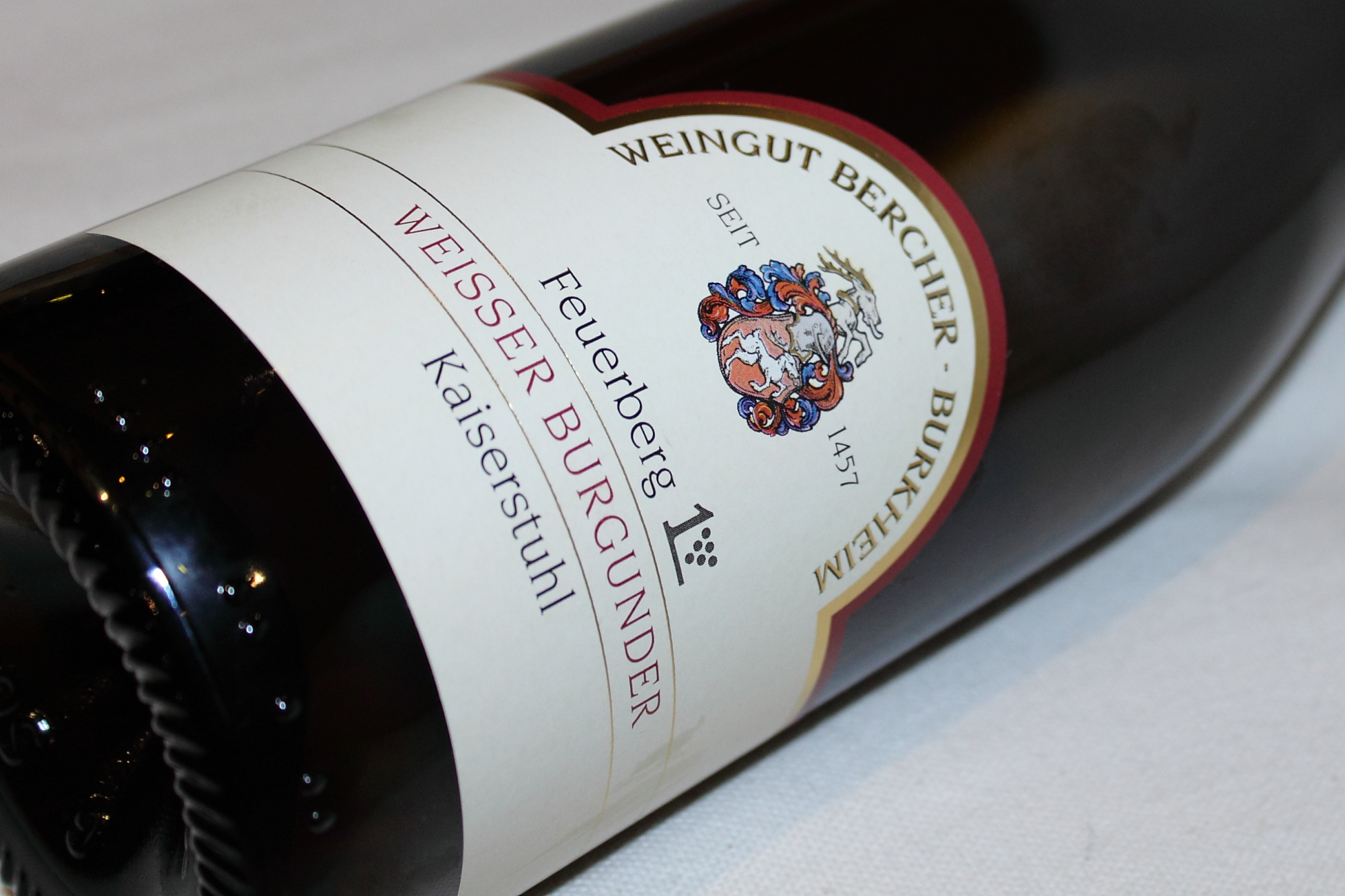
Weingut Bercher, Burkheimer Feuerberg, Weißburgunder Großes Gewächs, 2007

It's been a while since we last talked Pinot Blanc. So gather round me, friends: Pinot Blancs's reputation is generally lacklustre. In Burgundy, it's rather like Stephen Baldwin to Chardonnay's Alec - the younger brother who doesn't quite have the talent and will always be outshone. Mostly though, it is because international drinkers get their Pinot Blanc bearings from Alsace and Northern Italy, where results are often very drinkable, but ultimately rather bland, that Pinot Blanc is still underrated. In Germany, though, where it makes for about 3.5% of vines planted, it can be granted great growth status when grown in the best vineyards, and can indeed turn out distinctive and quite majestic wines. When we last checked in with one of the country's very best Pinot Blanc producers, the Bercher family of Baden's Kaiserstuhl subregion, we were confronted with rather too majestic a specimen: The 2004 great growth dry Spätlese. Impressive for its power, but pulled out of balance by high alcohol content, was our verdict back then.

Well, I'm most happy to report back to you on a younger version of the same wine:

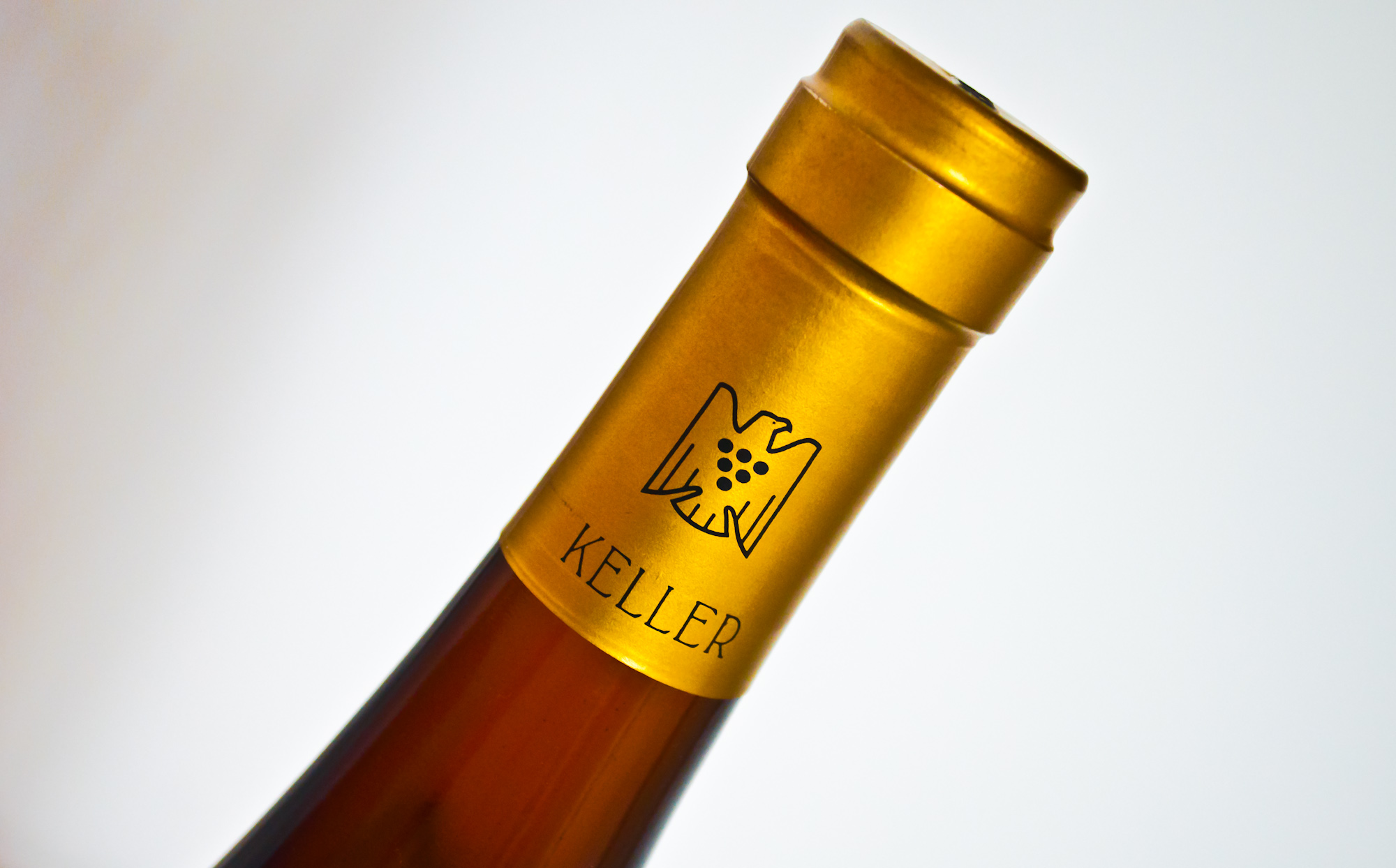
Keller, Silvaner "Feuervogel", 2009

The Keller winery in Rheinhessen is among Germany's finest, no doubt. Keller regularly receive high praise from wine critics and their wines command impressive prices. Recently, a double magnum of what some consider the top wine in the Keller range, the Riesling G-Max, fetched €3,998.40 at an auction, making it Germany's most expensive young dry wine. Now, can you imagine that the German authorities would even consider not allowing winemaker Klaus-Peter Keller to release one of his wines to the market? And yet this is what happened to the Silvaner I am introducing today.

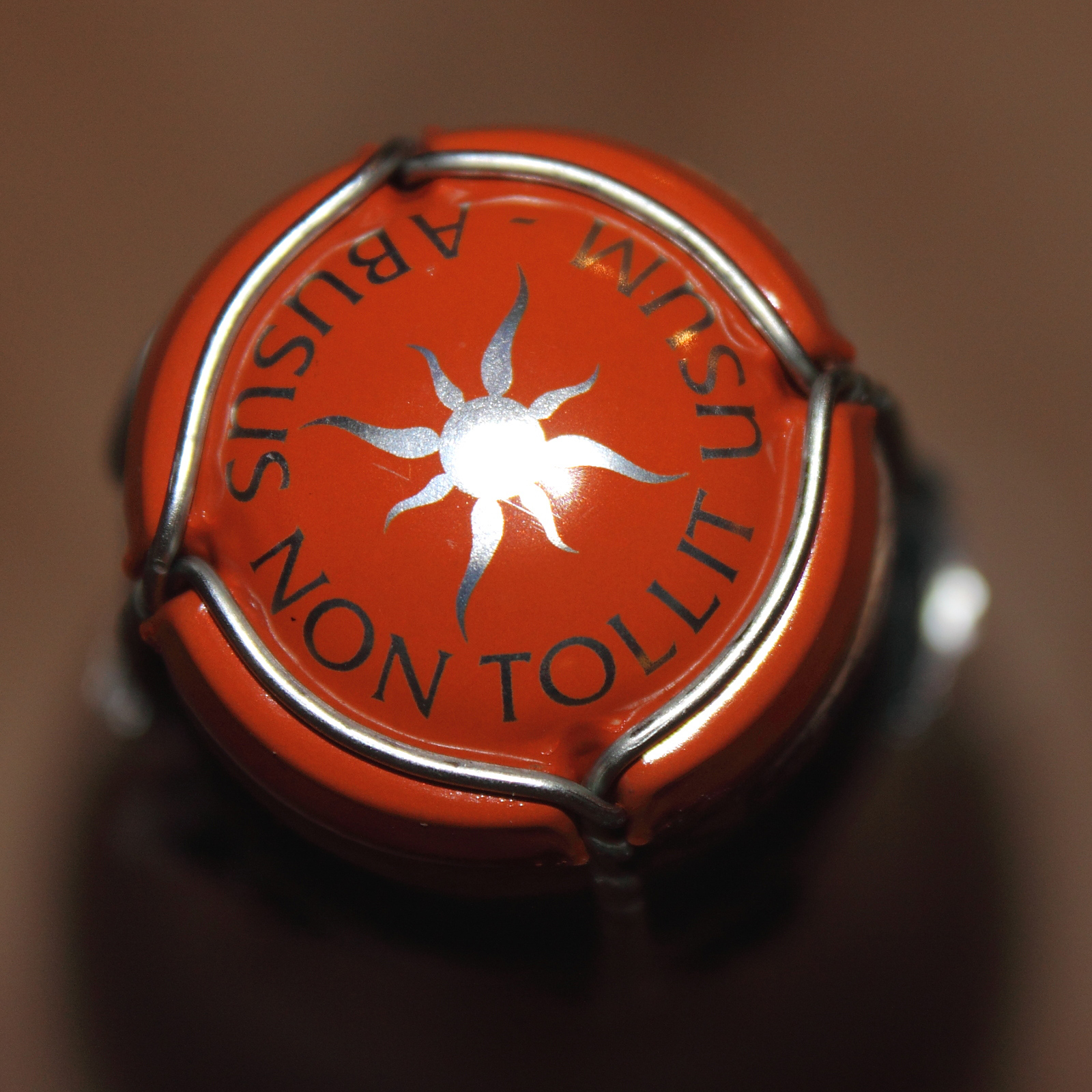
Feuervogel gold capsule

What could have happened, you may wonder? Was the wine contaminated, a health risk perhaps? No. The authorities objected to the 'Feuervogel' arguing the wine was not typical for the region - and hence not worthy of being approved for sale.

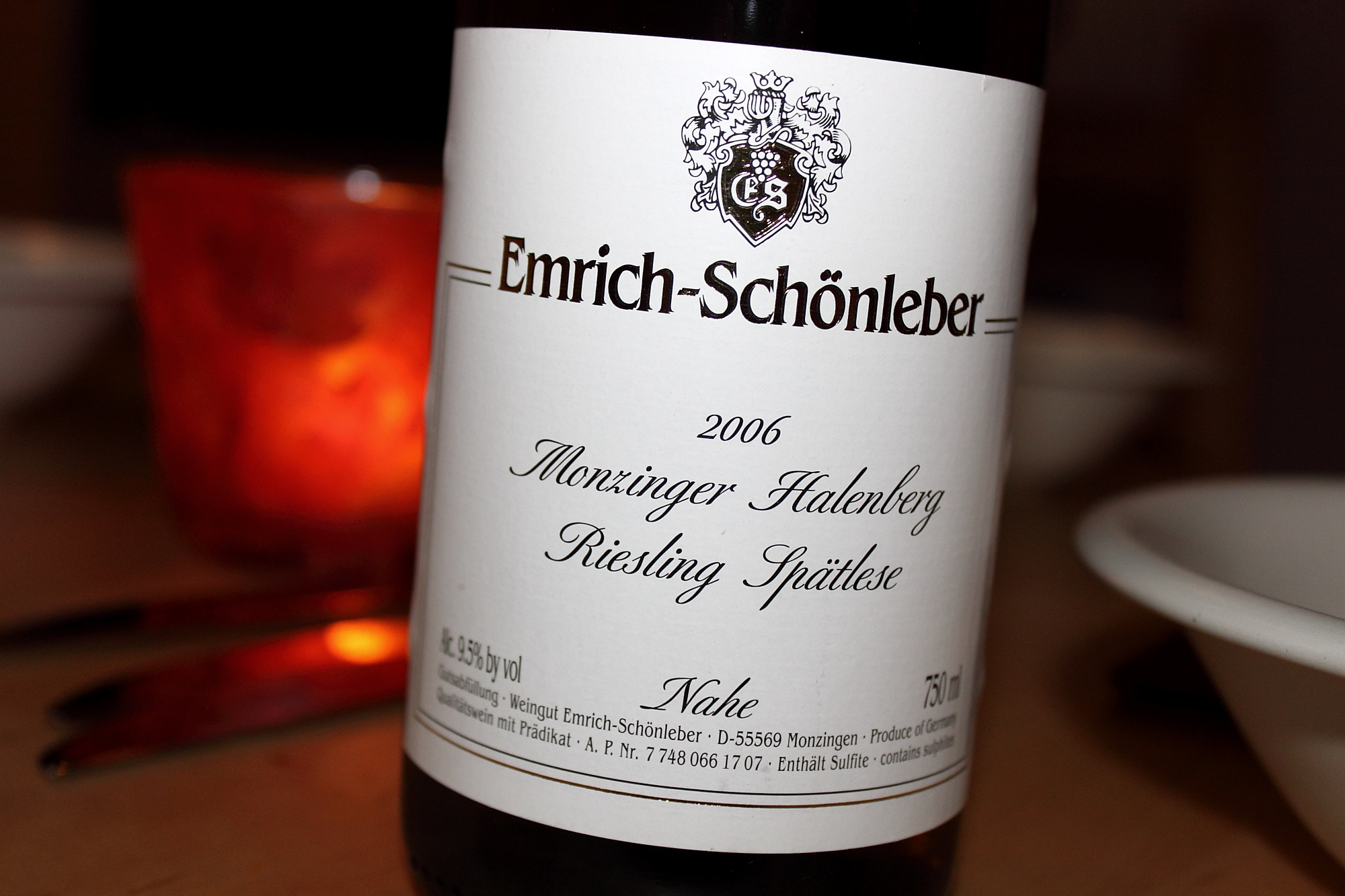
Emrich-Schönleber, Monzinger Halenberg, Riesling Spätlese, 2006

We just voted not one, not two, but three dry Rieslings into our top five picks of last year. We didn't do that to make a point, those were just the wines we happened to enjoy most. Having said that, it is true that the effort many english-speaking wine lovers will make to ignore any german wine that is not sweet Riesling have not ceased to amaze us - amaze, and annoy us ever so slightly. This is not, I hasten to clarify, because we fail to appreciate the great sweet Rieslings. They are indeed unique, delightful and still handsomely underpriced in the global scheme of wine. It's just that this fact is already widely known, so frankly, it is not exactly breaking news to report on another little marvel of liquid stone and sweet peachy caress.

But on this January day, the time has come to do just that.

Julian Friday, 07/01/2011

Ökonomierat Rebholz, Muskateller 'L' trocken, 2009

Ökonomierat Rebholz is certainly a very Germanic sounding name for a winery. 'Ökonomierat' is an old-fashioned German and (not so old-fashioned) Austrian title of honour that literally means 'economical councillor'. The original Ökonomierat Rebholz, Eduard, received it for his impact on viticulture. Now in the third generation, the Rebholz estate is still dedicated to his idea of 'natural wine', shunning practices such as adding of sugar to increase alcohol content and instead focussing on organic methods. It may be best to forget about all this though as the Muscat in front of you is anything but stuffy Germanic or organically preachy. It is just a highly enjoyable wine.

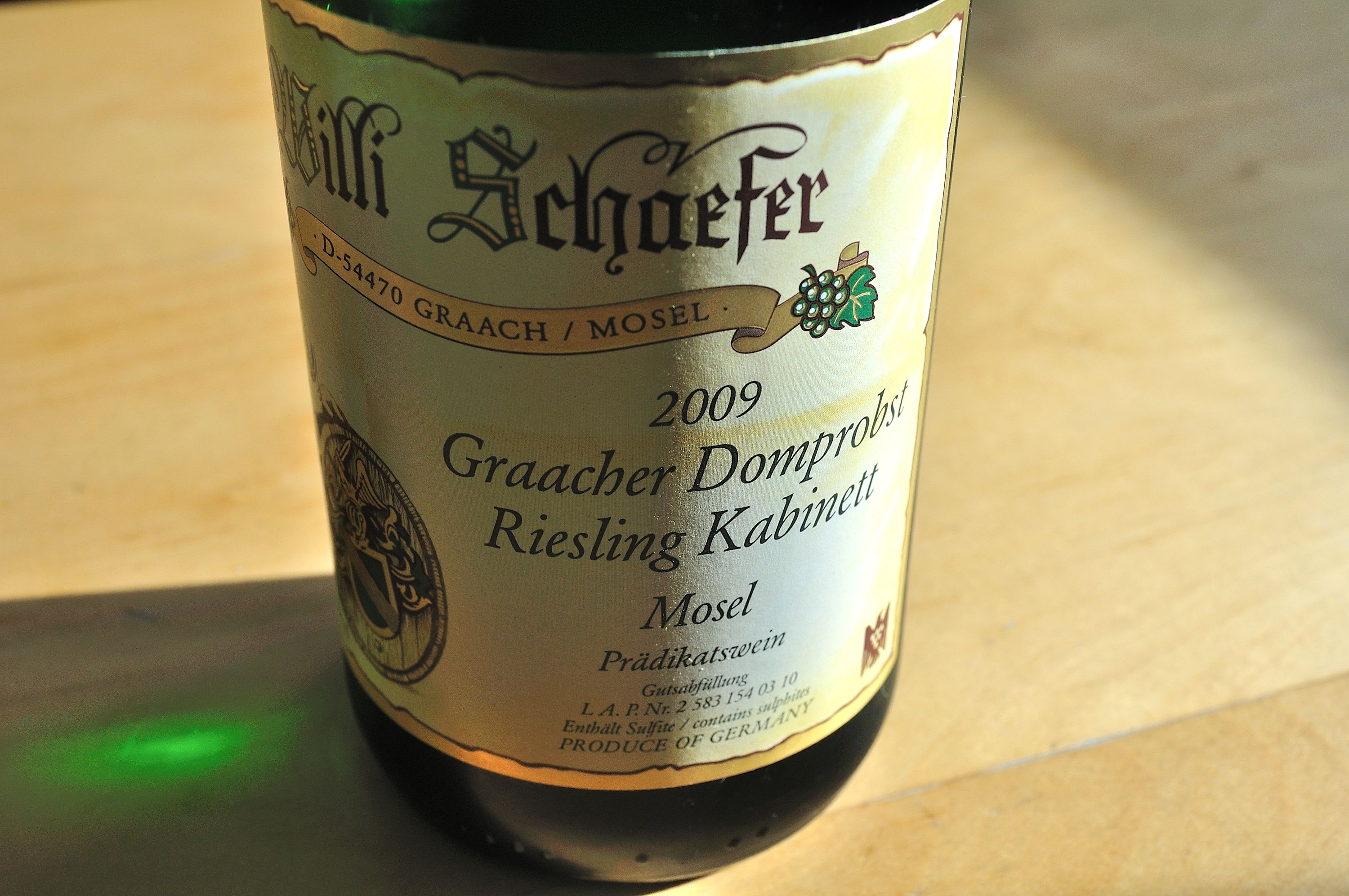
Willi Schaefer, Graacher Domprobst, Riesling Kabinett, 2009

Seeing how good their reputation is, it was high time for us to review a wine made at the Willi Schaefer winery. The Schaefer estate is run by Willi and Christoph Schaefer, father and son, who on a few hectares of steep Mosel land exclusively grow Riesling. They feature a label design that just screams traditional Germanic Mosel style, bordering on cute cliché. I like it, of course. The family also seem to be traditional in other ways as they still don't have a website. Or they hide it. There is nothing that needs hiding about this wine though. Not only highly enjoyable on its own it also paired very well with Tim Burton's Sleepy Hollow on a cold autumn night.

It was a cold and windy night. Suffering from a somewhat congested nose, I still desired a glass of wine to keep me company while I watched Christopher Walken decapitate fat blokes in the woods. Just a little light-hearted fun, what could be better than a Mosel Kabinett?