white

White wines reviewed by the Wine Rambler:

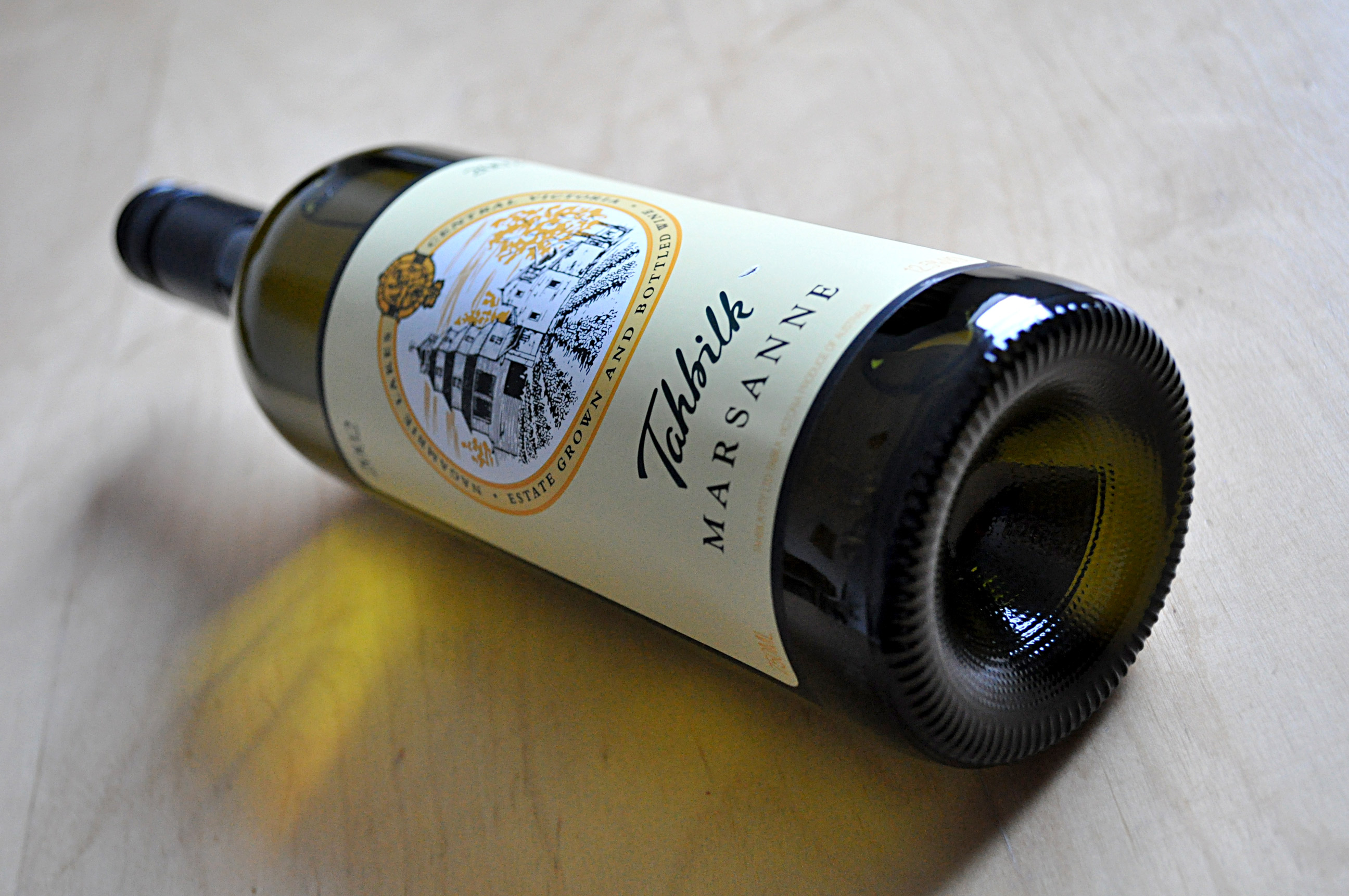
Tahbilk, Marsanne, 2002

Drinking aged wines can be a fun adventure, and it gets even better if the wine comes from an unusual vineyard and with a bit of history. This Marsanne, even though not yet terribly old, ticks all of these boxes, and so I am grateful for Karen who recently pointed me in its direction at Philglass and Swiggot's Clapham Junction branch. The Tahbilk Marsanne comes from one of the oldest wineries in Australia and from what may be the oldest planting of Marsanne in the world.

The Marsanne grape variety is most common in the Northern Rhône, but can also be found in Switzerland and a few other countries, including Spain. It seems to be a bit picky if planted in the wrong area: too cold and the wines can be bland, too hot and they turn out to be flabby.

torsten Friday, 12/11/2010

Reinhold Haart, Piesporter Goldtröpfchen, Riesling GG, 2008

For over 700 years the Haart family has been making wine in the Mosel valley village of Piesport. While I have no idea what wine they may have grown in the middle ages, these days it is exclusively Riesling - and most of it is sweet or off-dry. A small percentage of the wines are dry though, and this Great Growth (GG) is the top dry wine from the famous Goldtröpfchen (=little drop of gold) vineyard.

The colour is a clear, strawish yellow, more on the gold-dark side perhaps. The nose features cool mineral, herbs (more on the sage-mint side) and a hint of petrol (that almost disappeared on the second day).

Heiner Sauer, Gleisweiler Hölle, Riesling Kabinett trocken, 2009

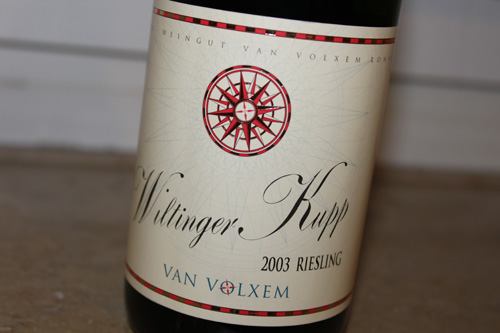
After exploring in some depth the potential and perception of residually sweet Riesling, we turn, very briefly, to a style of the variety that is hardly known or appreciated outside of Germany: light, basic range dry Riesling. That type of working man's white is most reliably produced not along the more glamorous Mosel, but in down-to-earth Pfalz (the Palatinate), where vineyards are less capriciously steep and the climate more dependable, and it goes by the name of Kabinett trocken. Almost every half-decent winery there produces a few of those from different vineyards, and almost every inhabitant of the region will have one on their dinner table - almost every day.

Black Tower, Pinot Grigio, 2008

Over the years, we have tasted a wide sample of German wines (though still so much more to explore!). However, my German wine experience is very different from that of most people here in the UK or across the globe. While we mostly drink wine from smaller, family owned vineyards, the UK especially downs the likes of Liebfraumilch by the gallon. So it was high time to get in touch with my inner mainstream drinker and get one of those iconic Black Tower bottles you can see in most British supermarkets.

Black Tower claims to be Germany's most widely exported wine brand, in fact, it may very well be Germany's best selling wine globally - it certainly is in the UK. Reh-Kendermann, who own Black Tower, spent a lot on the brand, particularly researching the design.

Kirchmayr, Grüner Veltliner 'Solist', 1994

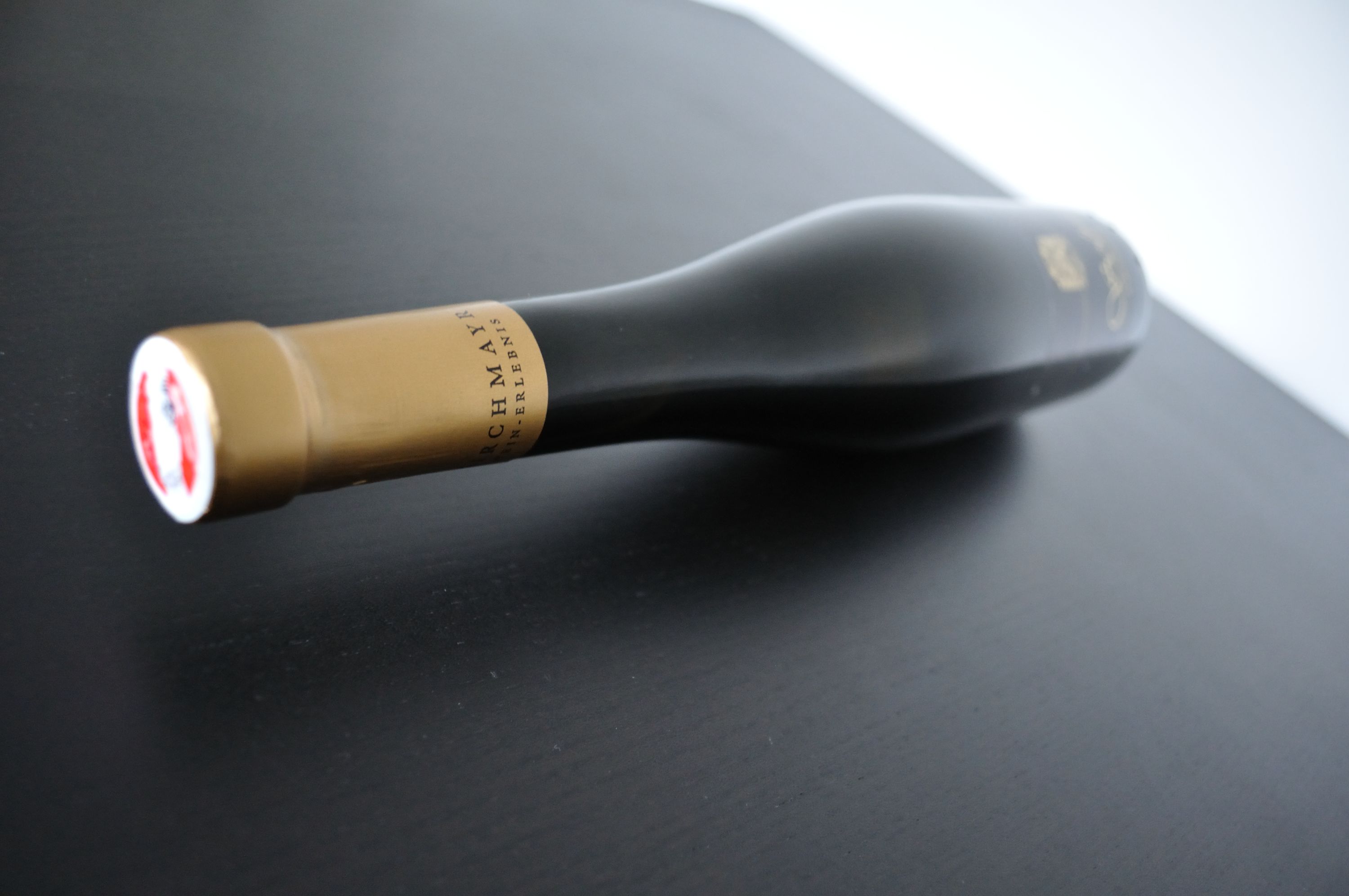
I love it when a plan comes together. Seriously, I do. Not only because I used to watch way too much A-Team in the late '80s and early '90s, but also because I do love making plans. One of them is to regularly hunt for aged wine (although I do actually prefer the term 'matured wine'), and so far I have not been disappointed with the results. Quite the opposite, in fact, the good ol' boys have been the source of much pleasure. The wine I am reporting about today is no exception, in fact, it is a pure delight. You may have heard of Austria's signature white variety Grüner Veltliner, you may have tasted some, but - like me until very recently - you may not have had the change to see what a really nicely matured Grüner can be like. This baby here is 16 years old, which is the age by which most white wines have passed the zombie stage and hang between decomposition and vinegar. A few, notably Riesling or perhaps Chenin Blanc, make it to or beyond that age. But what about Grüner?

Knipser, Sauvignon Gris, 2007

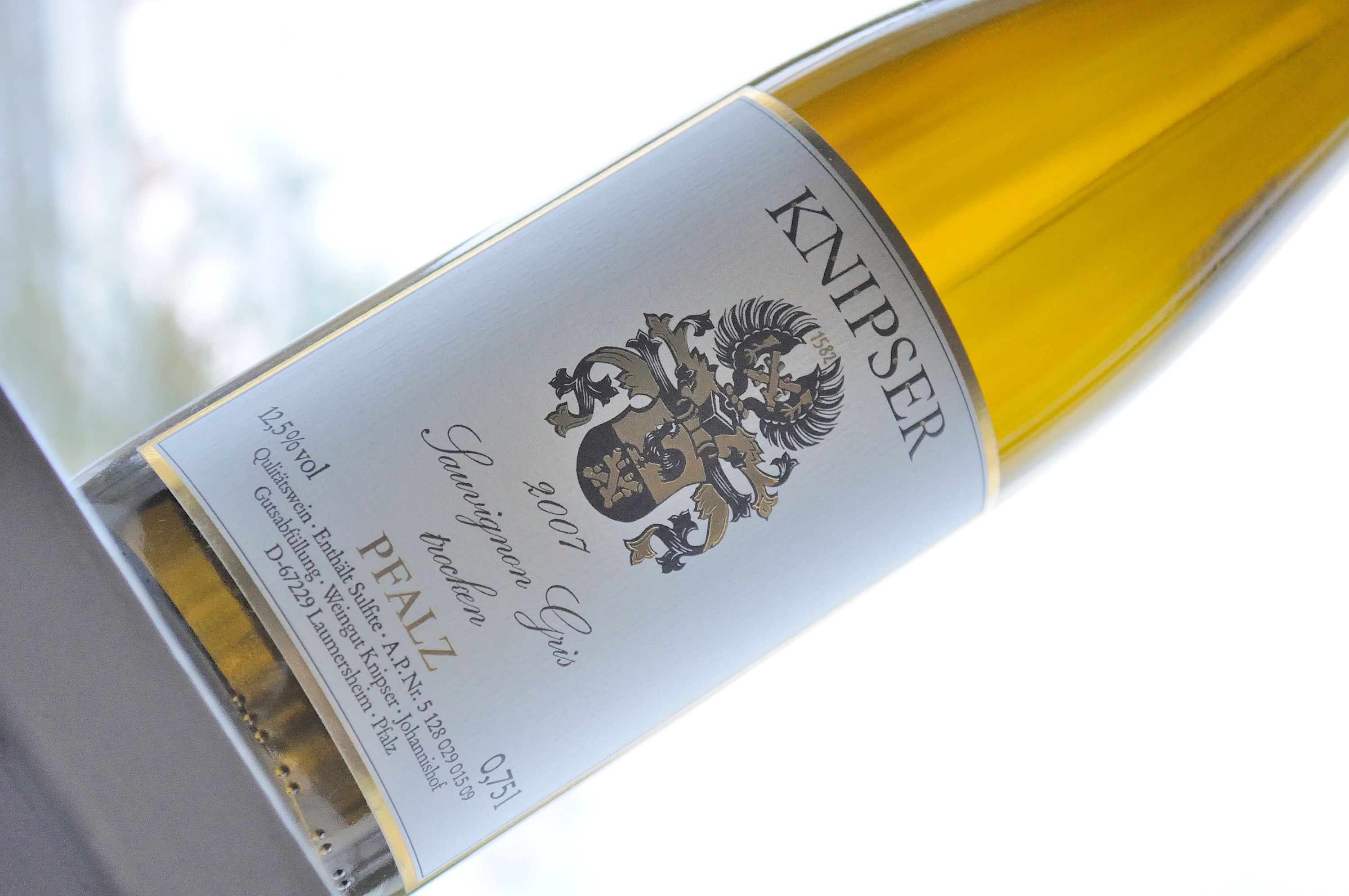
Never heard of Sauvignon Gris? If not, don't be ashamed, it is hardly a well known variety and I have to admit that I was only dimly aware of its existence until I saw this wine in the Knipser portfolio. The Knipser winery is one of Germany's best, so I was very curious to see what they would make of this unknown variety. Knipsers are big believers in maturing wines properly before releasing them to the market, often using barrique barrels, and this beauty only went on sale two years after the harvest. So, what is it like?

Let's start with a boring, albeit short, lecture on the grape variety.

Kung Fu Girl Riesling 2009

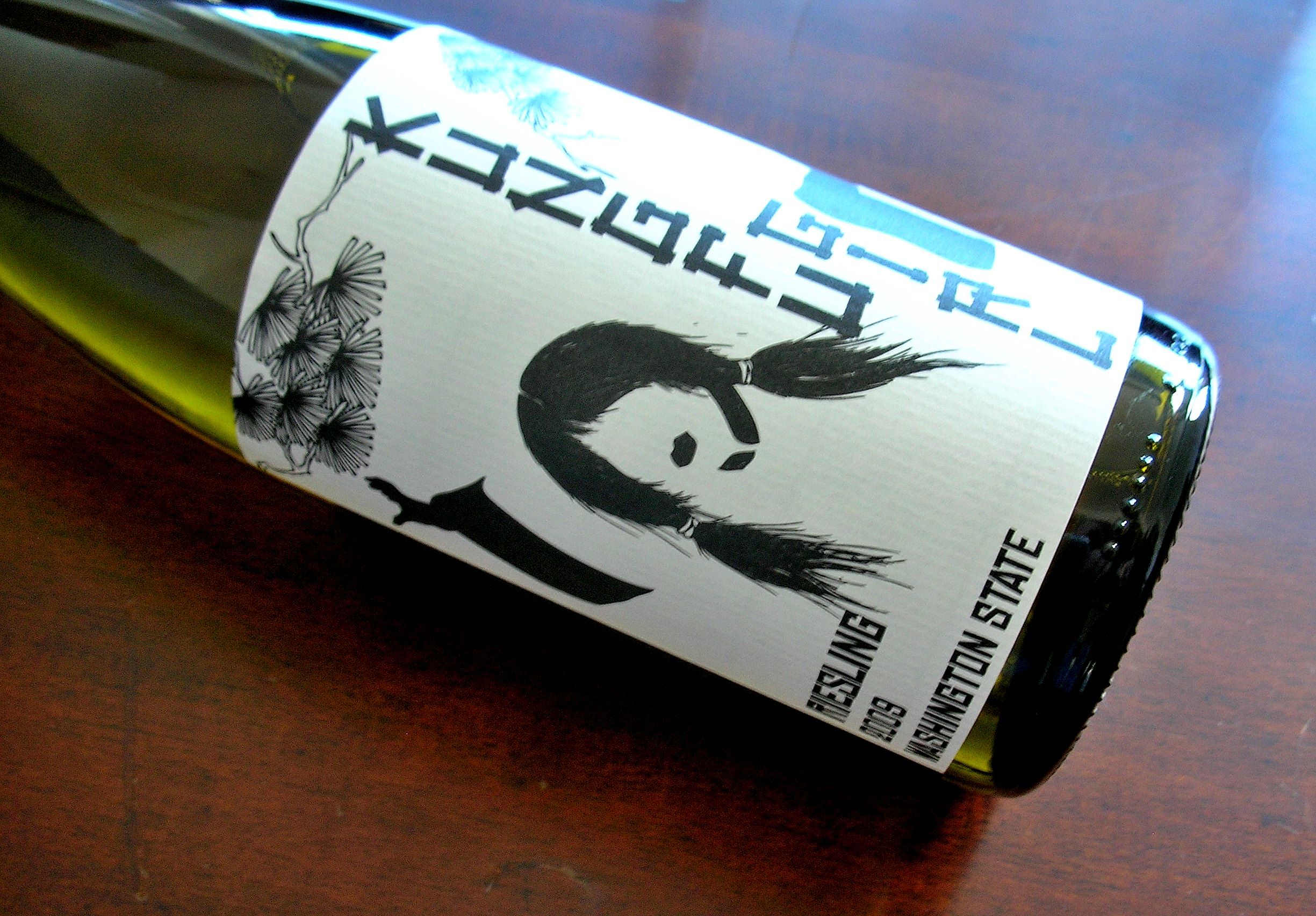
If you come across a wine called 'Kung Fu Girl Riesling' you can be pretty certain it is a new world wine. I first heard of it on Twitter, where every other day a random American hipster would tweet about how much they liked it. The more radical souls seem to take the Kung Fu aspect literal and share kick ass opinions such as 'Yes, bitch, I like Kung Fu girl riesling. No I don't buy it as a joke. Go fuck yourself sideways you pretentious c-word.' Clearly, a wine that attracts interest, I thought, and made a mental note to get my hands on a bottle. So, when I recently found a bottle of Kung Fu Girl in a New York wine shop for fifteen bucks, I had no choice but to go for it. Is it really as kick ass as Twitter and the label make you want to believe?

Let's start with a few words about the winemaker. Charles Smith is a bit of a rock star among the wine crowd, and that is not only because he used to managed rock bands before going into the wine business.

Ökonomierat Rebholz, Sauvignon Blanc, trocken, 2009

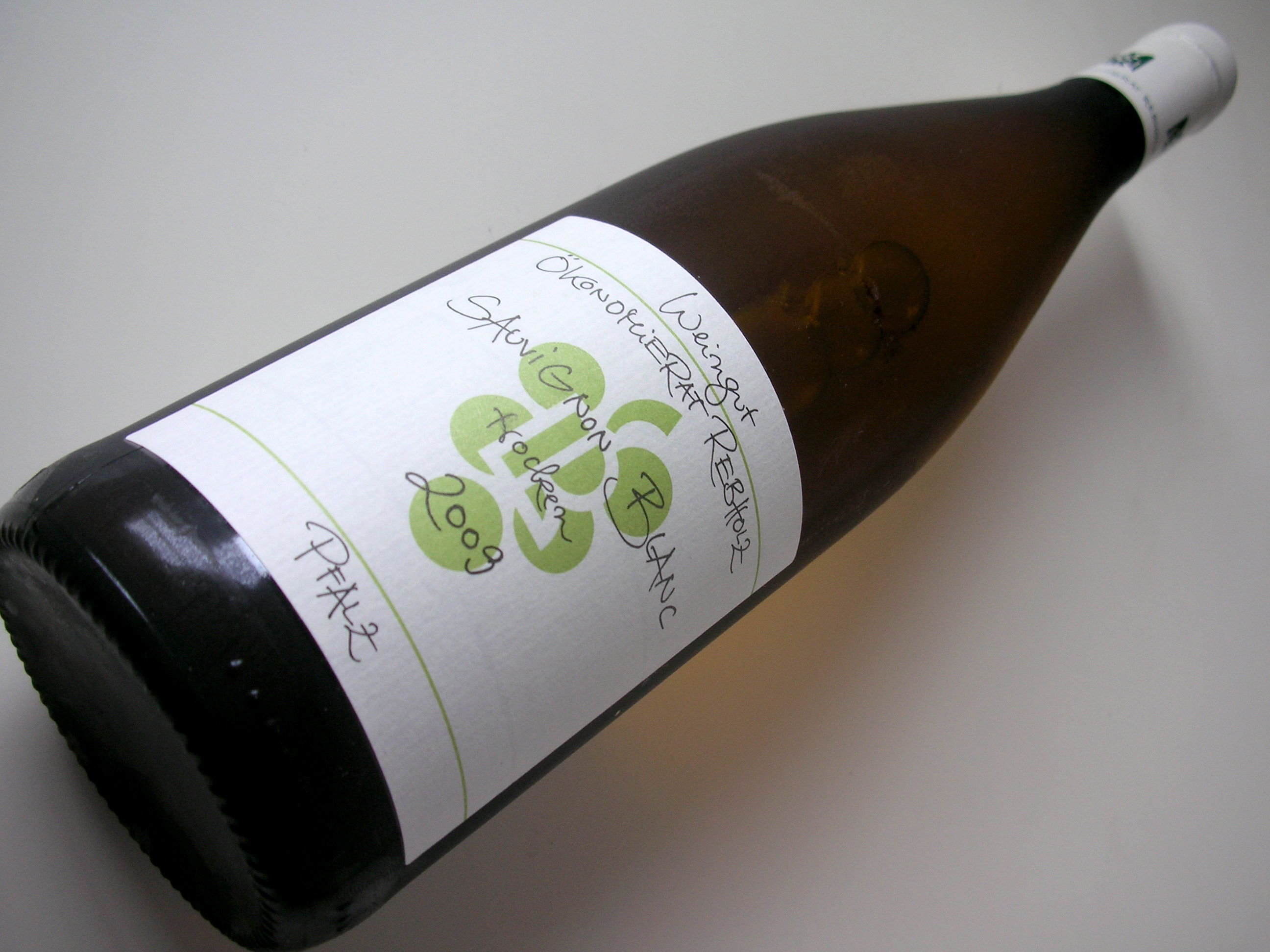
'A bit quirky', that was the comment I got from Twitter when I recently mentioned German Sauvignon Blanc. Chances are, you will not have had one (unless you are German, perhaps); you may not even have heard that there is such an animal. Well, there is, albeit not very much, which makes those wines a little hard to find outside of Germany. That should not stop you though as they can be worth the trouble - if they are as good as this baby coming from the very German sounding winery Ökonomierat Rebholz.

Reinhold Haart, Piesporter Spätlese, Riesling, 2003

New York City is hipster territory - or at least that is the message it is trying very hard to project during my current visit. Interestingly, most things German do seem to be considered hip, especially German beer culture. The Lower East Side for instance welcomed me with German brass music, schnitzel and beer served by busty wenches dressed in pseudo Bavarian outfits. German Riesling, it turns out, is also very popular among the cool wine kids here, so it was quite fitting I brought one over to share with my host: a late harvest Riesling made by one of my favourite producers at the Mosel, Theo Haart. Usually, I would have opted for a Haart Riesling from one of the famous vineyards such as Piesporter Goldtröpfchen, but a few years ago I came across this late harvest from several vineyards around Piesport, which to me seemed almost more interesting than some of the wines from the top sites. Did it hold up as well as Haart's premier wines though, I wondered, or were we in for a disappointment?